To flush a water heater and remove calcium carbonate scale, you must shut off the power or gas, close the cold water intake, and attach a garden hose to the drain valve. Open a nearby hot water faucet to break the vacuum, then open the drain valve and allow the water to flow until the discharge is clear of white, chalky sediment.
The Chemical Impact of Scale on Residential Infrastructure
Calcium carbonate is a structural threat to residential infrastructure. This white, rocky substance, often called “scale,” is the byproduct of minerals precipitating out of water during the heating process. As temperatures rise, these minerals settle at the bottom of the tank, creating a thick layer of thermal insulation between the burner and the water. This barrier forces the unit to run longer and hotter, causing the metal tank to expand and contract excessively, which eventually leads to stress fractures.
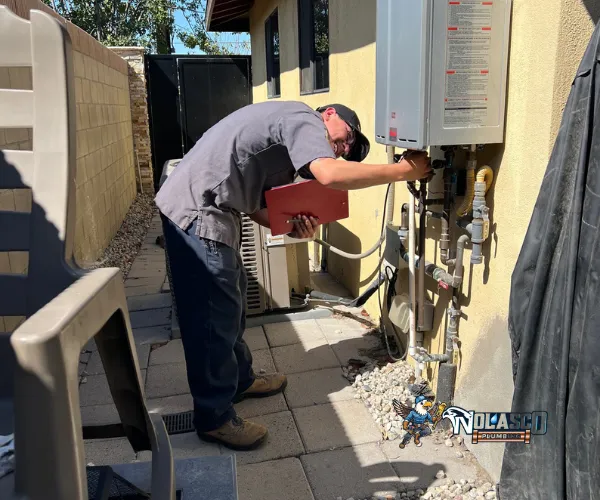
During a recent system audit for a property in the Snow Creek neighborhood, we identified a water heater losing significant efficiency due to advanced scaling. When you hire a plumber in Walnut, CA, you need a specialist who understands how local water chemistry interacts with specific appliance metallurgy.
Step-by-Step Guide to Removing Sediment Buildup
Flushing your system is a critical preventive measure. Follow this sequence to restore your heater’s thermal transfer rate and reduce operational noise.
1. Energy Isolation
Before touching any valves, disconnect the power. For electric heaters, flip the dedicated breaker in your service panel. For gas units, turn the thermostat knob to the “Pilot” setting. This prevents the heating elements from burning out or the tank from overheating while empty.
2. Isolate the Intake
Locate the cold water pipe entering the top of the heater and turn the shut-off valve clockwise. If the valve is seized, it is a sign that a Walnut, CA plumber should replace the old gate valve with a high-reliability brass ball valve to ensure future safety.
3. Gravity Drainage
Attach a heavy-duty garden hose to the drain valve at the base of the tank. Run the hose to a floor drain or a safe exterior area. Open a hot water faucet on the floor above the heater to allow air into the system, which breaks the internal vacuum and allows the water to flow freely.
4. The Agitation Flush
Simply opening the valve is rarely enough to remove the hardened scale. Periodically open the cold water intake valve in short, five-second bursts. This creates turbulence at the bottom of the tank, stirring up the calcium carbonate so it can be swept out through the hose. We frequently utilize this technique when acting as a Walnut plumber for older homes where sediment has formed “shelves” over the burner.
Traditional Tank vs. Tankless Maintenance Requirements
Maintenance needs vary significantly based on the heating technology used in your home.
| Maintenance Task | Standard Tank Heater | Tankless System |
| Frequency of Descaling | Every 12 Months | Every 12–24 Months |
| Complexity of Flush | Moderate (Hose & Gravity) | High (Requires Submersible Pump) |
| Risk of Element Burnout | High if dry-fired | Low (Internal sensors) |
| Required Tools | Garden Hose | Flushing Kit & Food-Grade Vinegar |
Debunking the Myth: “Flushing an Old Heater Causes Leaks”
A common industry misconception suggests that if a heater hasn’t been flushed in years, you should leave it alone because the sediment is “sealing” the tank. This is incorrect. While a flush may reveal a leak, it does not create one. The calcium scale was simply masking a spot where the tank had already corroded. Removing the scale exposes the existing hole, whereas leaving it accelerates “under-deposit corrosion.” While serving a residential client near Westhaven, we found that proactive flushing extended their unit’s life significantly beyond the standard manufacturer’s warranty.
Applying the Nolasco Plumbing “Eagle Standard” Framework
At Nolasco Plumbing, we utilize our proprietary Z framework, a three-step lifecycle designed for long-term system health. This methodology is built to manage the mineral profiles specific to Southern California.
- Phase 1: Quick Assessment & Honest Quoting: We begin with advanced diagnostics, using infrared leak detection to find “invisible” vulnerabilities. We provide flat-rate pricing so our clients never face unexpected costs.
- Phase 2: Skilled Precision Installation: During the service, we inspect the anode rod—the sacrificial component that attracts corrosion to save the tank. Using the EagleCare Pro proactive maintenance model, we identify failing components before they become emergencies.
- Phase 3: Final Performance Check: Once the system is refilled, we measure the “recovery rate” of the water temperature. This ensures your system is energy-efficient, code-compliant, and optimized for long-term asset value.
Why Professional Maintenance Matters in the Region
High-volume water pressure and local mineral content can shave years off the life of your appliances. As a plumber in Walnut, these environmental factors necessitate a professional touch. By integrating the Eagle Standard, we transform a basic chore into a comprehensive home protection strategy. Whether your home is near Mt. San Antonio College or in a quiet cul-de-sac, your pipes are constantly battling mineral buildup.
People Also Ask (FAQ)
Why is my water heater making a popping or knocking sound?
This sound, known as “kettling,” is caused by steam bubbles escaping from beneath a thick layer of calcium scale. It is a primary indicator that your heater requires an immediate flush.
How often should I flush my heater if I have a water softener?
Even with a softener, you should flush the tank annually. Softeners replace calcium with sodium, but sediment and anode rod byproducts still accumulate at the base of the tank.
Secure Your Home with Nolasco Plumbing
We are a trusted partner for homeowners, delivering expert plumbing solutions with the care and efficiency you deserve. Every decision we make prioritizes your safety and uses the latest technology to provide long-lasting results. Nolasco Plumbing stands out because of our 24/7 emergency services, family-owned dedication, and commitment to flawless results. You shouldn’t have to stress about plumbing threats.
Ready to optimize your home’s efficiency? Book your Eagle Standard Maintenance Check online today or call us for immediate emergency assistance.