Why Did My Water Bill Suddenly Go Up? Plumbing Problems That May Be Responsible
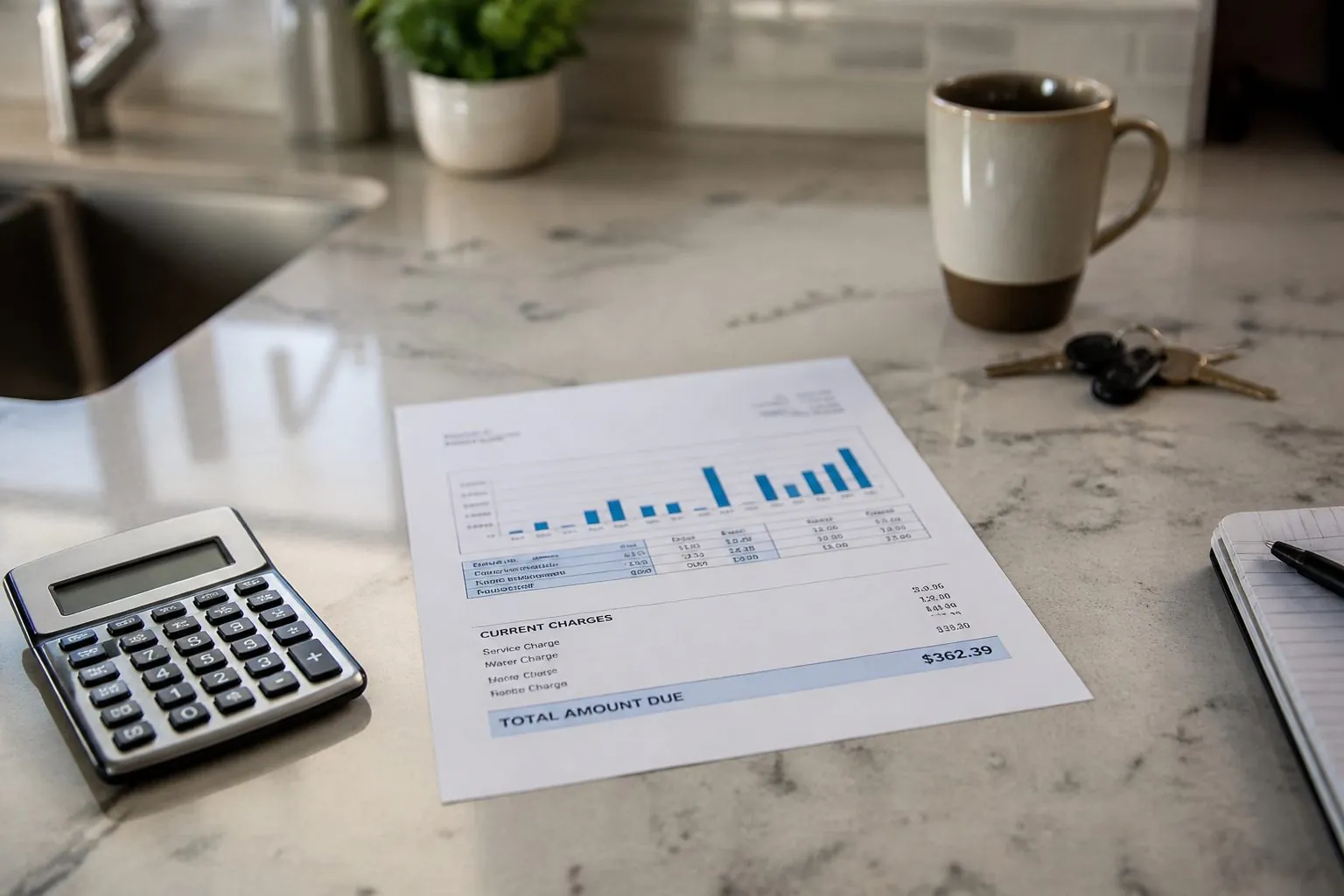
If your water bill suddenly increased but your normal water use has not changed, a plumbing leak is one possible cause. Running toilets, dripping fixtures, leaking supply lines, water-heater or appliance connections, and hidden leaks behind walls, under floors, or underground can all increase water use without being immediately obvious.
However, a higher bill does not automatically mean you have a plumbing leak.
Before assuming there is a major problem, compare your recent water use, consider whether household or outdoor usage changed, and look for signs of unintended water flow.
Does a Higher Water Bill Always Mean You Have a Leak?
No. A sudden increase can also come from using more water than usual, outdoor irrigation, more people in the home, a billing change, or another non-plumbing cause.
Start by asking whether anything changed during the billing period.
For example:
- Were guests staying in the home?
- Was irrigation used more often?
- Did you do more laundry than usual?
- Did household occupancy change?
- Was a pool filled or topped off?
- Did the billing period cover more days than usual?
- Did the utility change rates or use an estimated reading?
EPA WaterSense recommends comparing a current water bill with the same period from the previous year. A significant unexplained increase can be a sign of a leak.
If your use appears normal but the amount of water recorded has increased, it makes sense to look more closely at the plumbing.
Which Plumbing Problems Can Make a Water Bill Suddenly Increase?
The most common possibilities range from relatively simple fixture leaks to concealed water-line problems.
A Running Toilet
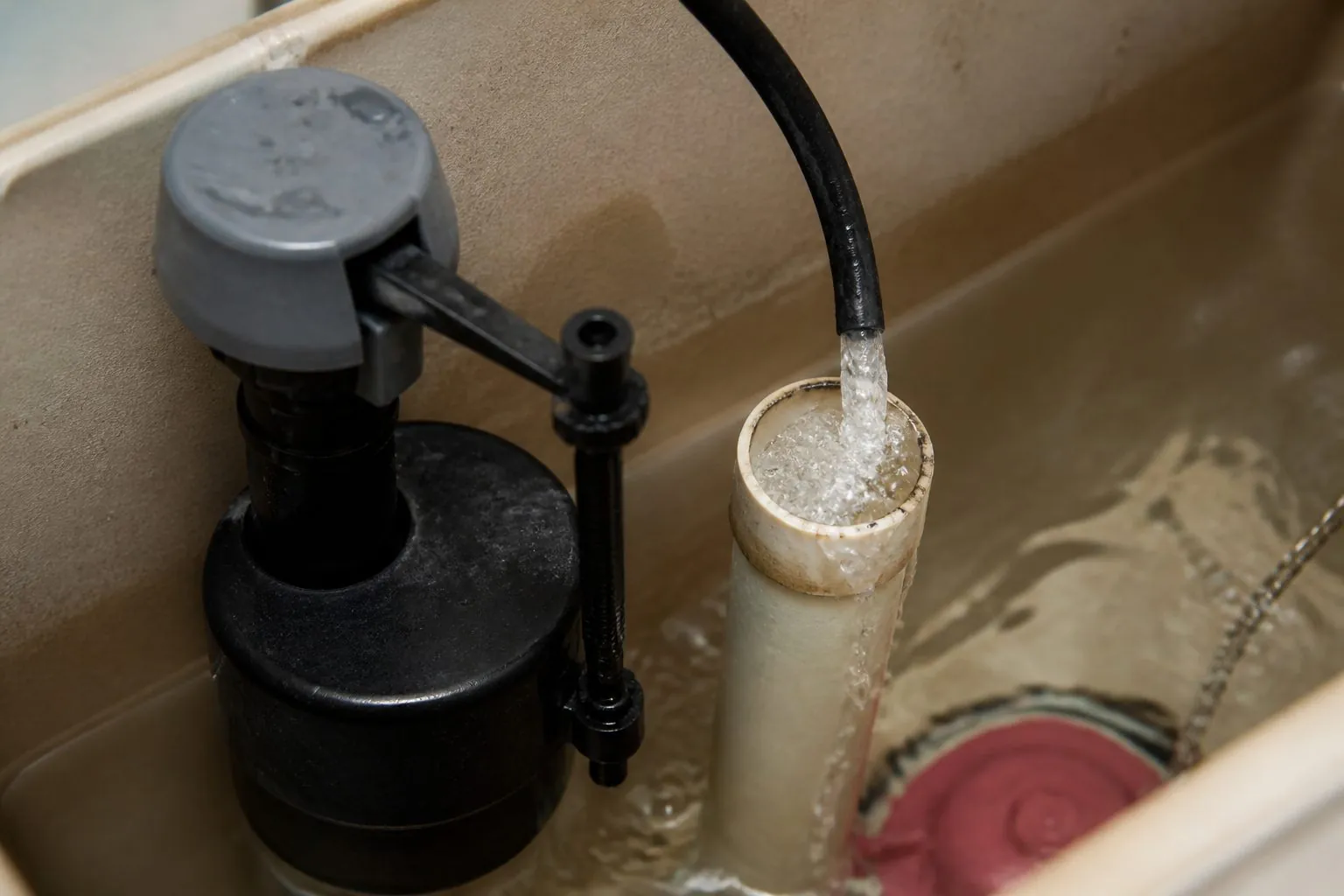
A toilet does not have to overflow or make constant noise to waste water.
Some toilets run continuously. Others cycle on and off when water slowly escapes from the tank and the fill valve refills it.
EPA WaterSense identifies worn toilet flappers and running toilets as common household leak sources.
Signs can include:
- The toilet refills when no one has used it
- You hear water periodically
- The tank seems to run longer than normal after flushing
- Water movement continues in the bowl
If a toilet appears to be the source, Nolasco provides toilet service and repair.
A Dripping Faucet or Showerhead
A slow drip may seem minor, but water use accumulates when it continues all day and night.
EPA identifies dripping faucets and leaking showerheads among common household leaks.
Look for:
- Faucets that drip after being shut off
- Water forming around faucet bases
- Showerheads that continue dripping long after use
- Moisture under sinks
If a faucet is responsible, Nolasco offers faucet repair.
A Hidden Pipe Leak
A concealed pipe leak can increase water use without creating an obvious puddle.
Depending on the location, the first clues may be:
- Damp drywall
- Ceiling stains
- Moist flooring
- Musty odors
- Water sounds when fixtures are off
- Reduced water pressure
- Unexplained increases in recorded usage
Nolasco’s leak-detection page specifically identifies increased water bills, damp or wet areas, and reduced pressure as possible warning signs of a concealed leak.
When the source cannot be seen, professional leak detection can help determine where water is escaping before a repair decision is made.
An Underground or Main Water-Line Leak
A leak does not have to occur inside the building.
Water escaping from a supply line underground can still pass through the property’s meter, increasing recorded use even though you may never see water indoors.
Possible clues include:
- Unusually damp ground
- A wet area that does not dry normally
- Reduced water pressure
- Unexplained water use
- The sound of water running
- Water usage recorded when nothing should be using water
Nolasco currently provides water line services for leaking and damaged supply lines.
A Water Heater or Appliance Connection Leak
Slow leaks can also develop around equipment connected to the water supply.
Areas worth observing include:
- Water-heater connections
- Washing-machine hoses
- Dishwasher supply lines
- Refrigerator water lines
This does not mean the appliance itself necessarily needs repair. The problem may be in the plumbing connection or supply line.
If there is visible water around a water heater, washing machine, or other fixture, note where the moisture appears to originate rather than assuming the equipment itself has failed.
An Irrigation or Outdoor Water Leak
Outdoor water use can also cause a surprising bill increase.
Sprinkler lines, valves, hose connections, or irrigation schedules can use water without the homeowner noticing immediately.
EPA WaterSense recommends checking both indoor fixtures and irrigation systems when investigating unexplained water use.
Because irrigation repair is not currently confirmed as a Nolasco Plumbing service, the article should treat irrigation as something to rule out, not a service being offered.
Can a Running Toilet Really Raise My Water Bill?
Yes. A toilet that continues refilling can use water even when no one is using the bathroom.
Toilet leaks can also be quiet enough that homeowners do not notice them right away.
WaterSense identifies worn flappers as a frequent cause of toilet leaks and notes that running toilets are a common source of household water waste.
If you notice a toilet cycling by itself or continuing to run, that is worth addressing before assuming the problem is hidden underground.
Nolasco offers toilet repair services for running and malfunctioning toilets.
How Can I Tell if I Have a Hidden Water Leak?
A hidden leak becomes more likely when water use increases without an obvious change in household habits and you cannot find a visible fixture leak.
Look for patterns such as:
- Water usage rising unexpectedly
- Damp walls, ceilings, cabinets, or flooring
- Water stains
- Musty odors
- Water sounds when everything should be off
- Lower-than-normal water pressure
- Unexplained wet areas outside
- Water-meter activity during a no-use period
No single symptom proves where the leak is located.
The goal is to recognize that water may be escaping somewhere it cannot easily be seen.
If these signs are present, Nolasco’s leak detection service is the most relevant internal service destination. The company states that its leak-detection service addresses concealed pipe problems in walls, floors, and underground areas.
What Does It Mean if My Water Meter Moves When Everything Is Off?
If your meter continues registering use during a period when no fixtures, appliances, irrigation systems, or other water-using equipment should be operating, water may be flowing somewhere unexpectedly.
EPA WaterSense recommends taking a meter reading and comparing it after a period when no water has been used. If the reading changes, a leak may be present.
This is a useful observation, but it does not tell you where the water is escaping.
A meter showing unexplained use could point to:
- A running toilet
- A dripping or leaking fixture
- A concealed indoor pipe
- An outdoor leak
- An underground supply line
- Another connected water-using system
That is when identifying the source becomes more important than simply confirming that extra water is being used.
Could an Underground Water-Line Leak Be Causing the Increase?
Yes. An underground supply-line leak can increase metered water use even when there are few or no obvious symptoms inside the home.
The service line carries water toward the property’s plumbing fixtures. If it leaks underground after the meter, that water may still appear as household consumption.
Nolasco’s current water-line page specifically connects water-line leaks with increased utility costs and offers water-line leak service.
A suspected supply-line problem is a natural reason to move from basic observation to professional diagnosis.
Could It Be a Slab Leak?
Possibly, but a high water bill by itself does not mean you have a slab leak.
A slab leak is only one type of concealed water-line problem.
A hidden leak may instead be:
- Behind a wall
- Beneath flooring
- Above a ceiling
- Inside a cabinet
- Underground outside
- At a fixture or connection that is difficult to see
Jumping immediately from “high water bill” to “slab leak” can create unnecessary concern.
It is better to identify whether unexplained water flow exists first, then determine where the leak is located.
What Should I Check Before Calling a Plumber?
Start by ruling out obvious changes in water use and visible fixture problems before assuming the leak is hidden.
A practical sequence is:
- Compare the current bill or usage with previous billing periods, especially the same season last year.
- Consider whether household occupancy, laundry, showers, outdoor watering, or other usage changed.
- Listen for toilets that continue running or refill by themselves.
- Look for dripping faucets, showerheads, and visible moisture around plumbing fixtures.
- Check visible water-heater and appliance supply connections for moisture.
- Look for damp walls, flooring, ceilings, cabinets, or unexplained wet areas outside.
- Observe whether the meter records usage during a period when no water should be running.
- If the additional usage still cannot be explained, consider professional leak detection.
EPA WaterSense specifically recommends reviewing water bills, checking plumbing fixtures, and monitoring the water meter when investigating possible leaks.
The purpose of these checks is to gather clues, not to open walls or attempt complicated plumbing repairs yourself.
When Should You Call for Professional Leak Detection?
Professional leak detection becomes more useful when water use remains unexplained or the suspected leak is somewhere you cannot see.
Consider scheduling service when:
- Your bill remains unusually high with no lifestyle explanation
- The meter shows unexplained use
- You hear water running behind walls or beneath floors
- Dampness or staining appears
- Water pressure changes unexpectedly
- An underground water-line leak is suspected
- You know there is a leak but cannot locate it
Nolasco Plumbing offers professional leak detection in Baldwin Park and currently lists hidden leaks in walls, floors, and underground areas among the conditions it evaluates.
Leak Detection and Plumbing Repair in Baldwin Park
An unexplained water-bill increase is a reason to investigate, not proof that you need a major repair.
Start by ruling out normal changes in water use, running toilets, dripping fixtures, and outdoor consumption. If the numbers still do not make sense, a concealed plumbing leak or damaged water line may be worth checking.
Nolasco Plumbing provides leak detection, water line services, toilet repair, and faucet repair in Baldwin Park and its surrounding service areas.
Call 626-667-2007 or schedule plumbing service online if the source of the increased water use is not obvious.
Frequently Asked Questions
Can a Plumbing Leak Cause My Water Bill to Suddenly Increase?
Yes. Water that escapes through running fixtures or damaged piping can still be recorded as usage. However, higher usage can also result from household or outdoor changes, so a high bill alone does not confirm a leak.
Can a Running Toilet Cause a High Water Bill?
Yes. A toilet that leaks internally or repeatedly refills can continue using water between flushes. Worn toilet flappers are a common source of this type of leak.
Can a Dripping Faucet Really Make a Difference?
Yes. A small leak continues around the clock, so the total water use can accumulate over time. EPA identifies dripping faucets among common household leaks worth correcting.
Why Is My Water Meter Moving When Everything Is Off?
If every known water-using fixture and system is off but the meter continues registering use, there may be unintended water flow somewhere on the property. Further investigation is needed to determine whether the cause is a fixture, hidden pipe, outdoor line, or another system.
Can an Underground Leak Raise My Water Bill Without Causing a Puddle Inside?
Yes. Water escaping from a metered supply line underground may increase usage without creating visible indoor damage. Nolasco offers water-line and leak-detection services for suspected concealed problems.
Does a High Water Bill Mean I Have a Slab Leak?
No. A slab leak is one possible hidden leak, but running fixtures, other concealed plumbing leaks, underground water lines, outdoor use, and non-plumbing billing or usage changes should also be considered.